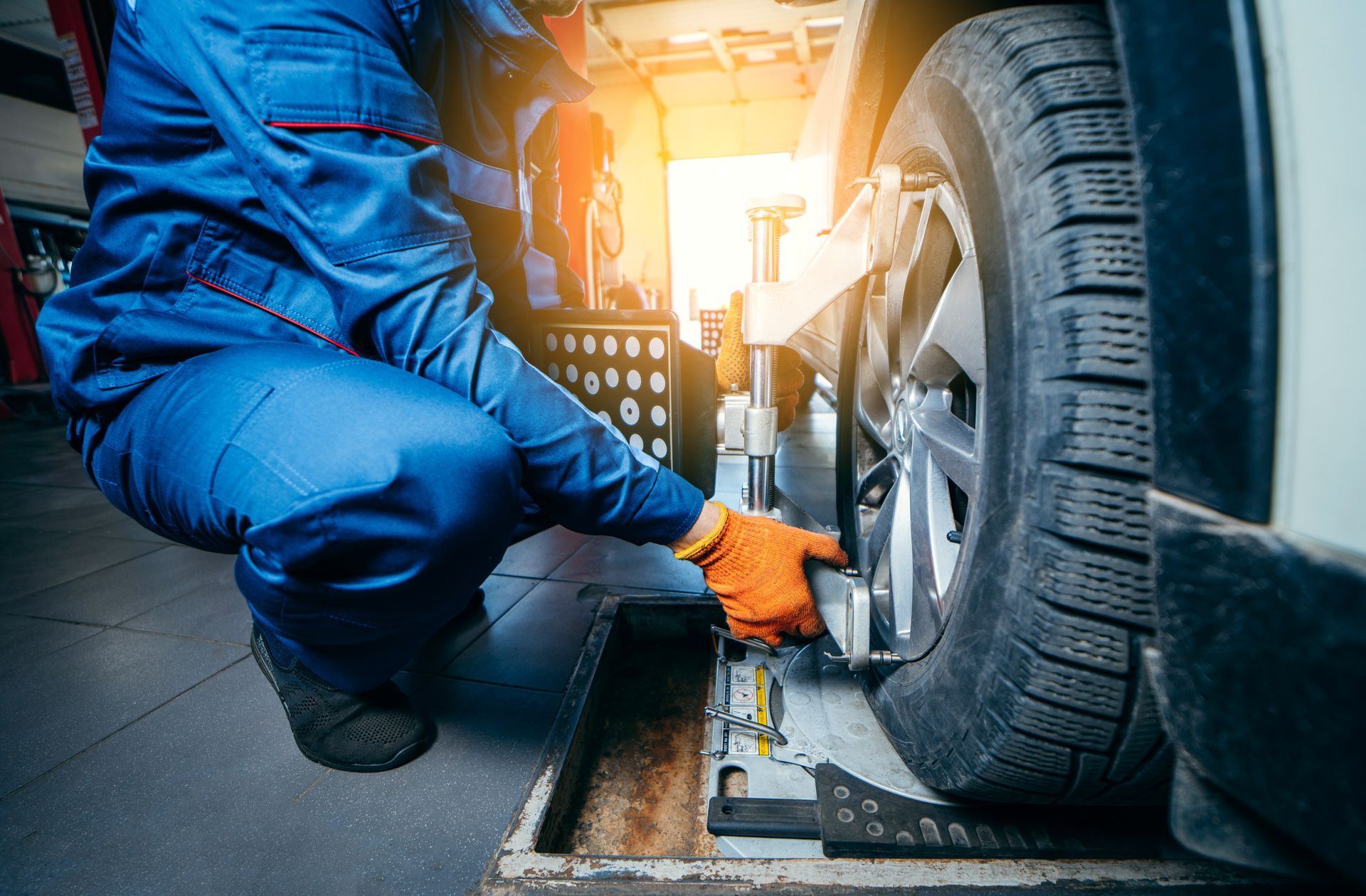
Fall is one of the best times of year to catch up on vehicle maintenance. Summer heat, road trips, traffic, and long drives can leave behind wear that is easy to miss, while cooler mornings and shorter days start putting different demands on your car.
At our shop, we like fall maintenance because it gives you a chance to fix smaller problems before colder weather makes them more inconvenient. A weak battery, worn tire, or low fluid level may not seem urgent on a mild afternoon, but those same issues can become much more noticeable when temperatures drop. You do not need to overhaul the entire vehicle every fall. Focusing on a few key systems can make a big difference in reliability, safety, and overall driving comfort.
1. Check Your Tires And Tire Pressure
Tires should be at the top of your fall maintenance list because cooler temperatures can affect both pressure and traction.
As outside temperatures drop, tire pressure often drops with them. A tire that was properly inflated during a hot summer day may read noticeably lower on a cold morning. Low pressure can affect handling, fuel economy, tire wear, and braking performance.
Check the pressure when the tires are cold and use the specification listed on the label inside the driver door area. Avoid using the maximum pressure printed on the tire sidewall as your target.
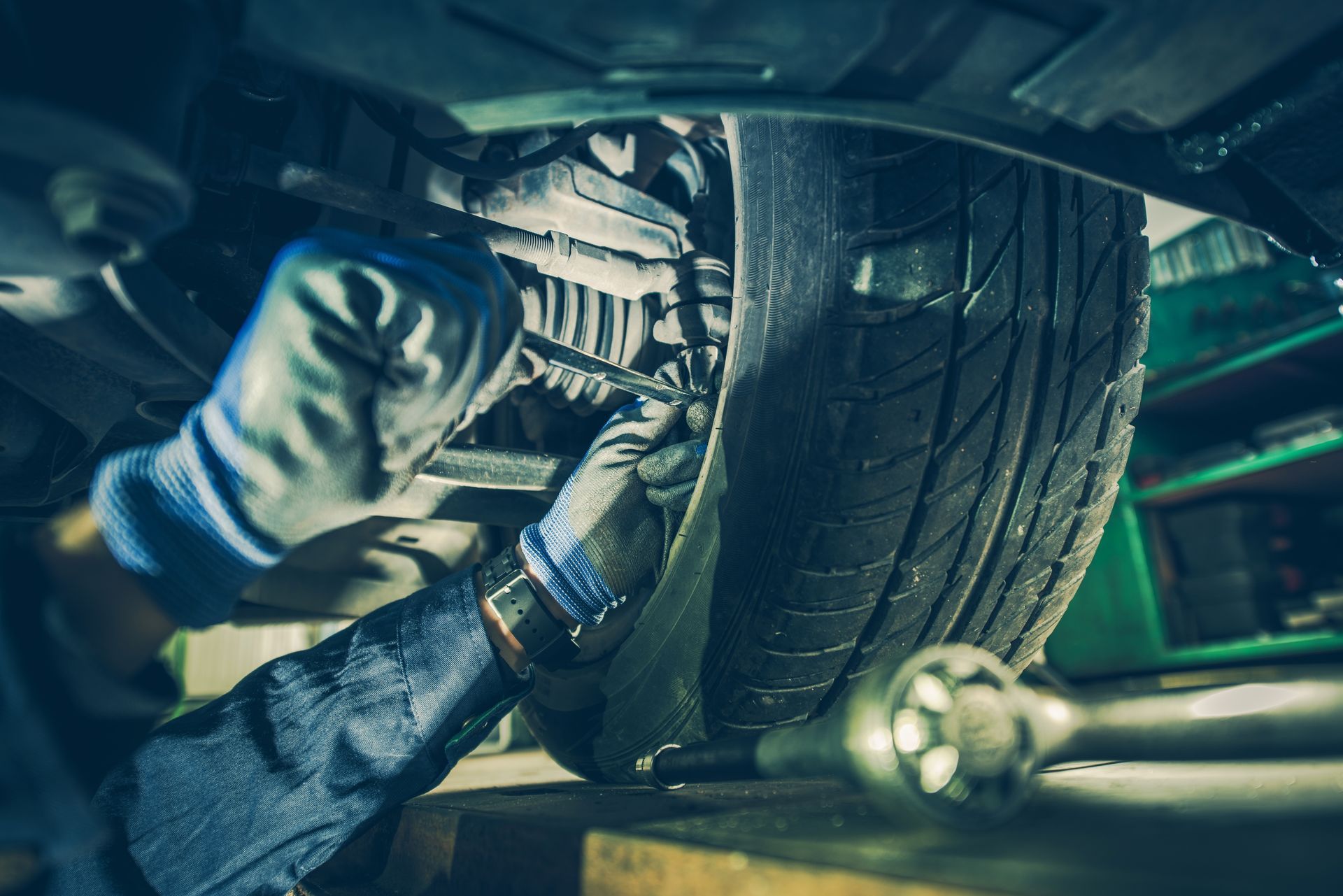
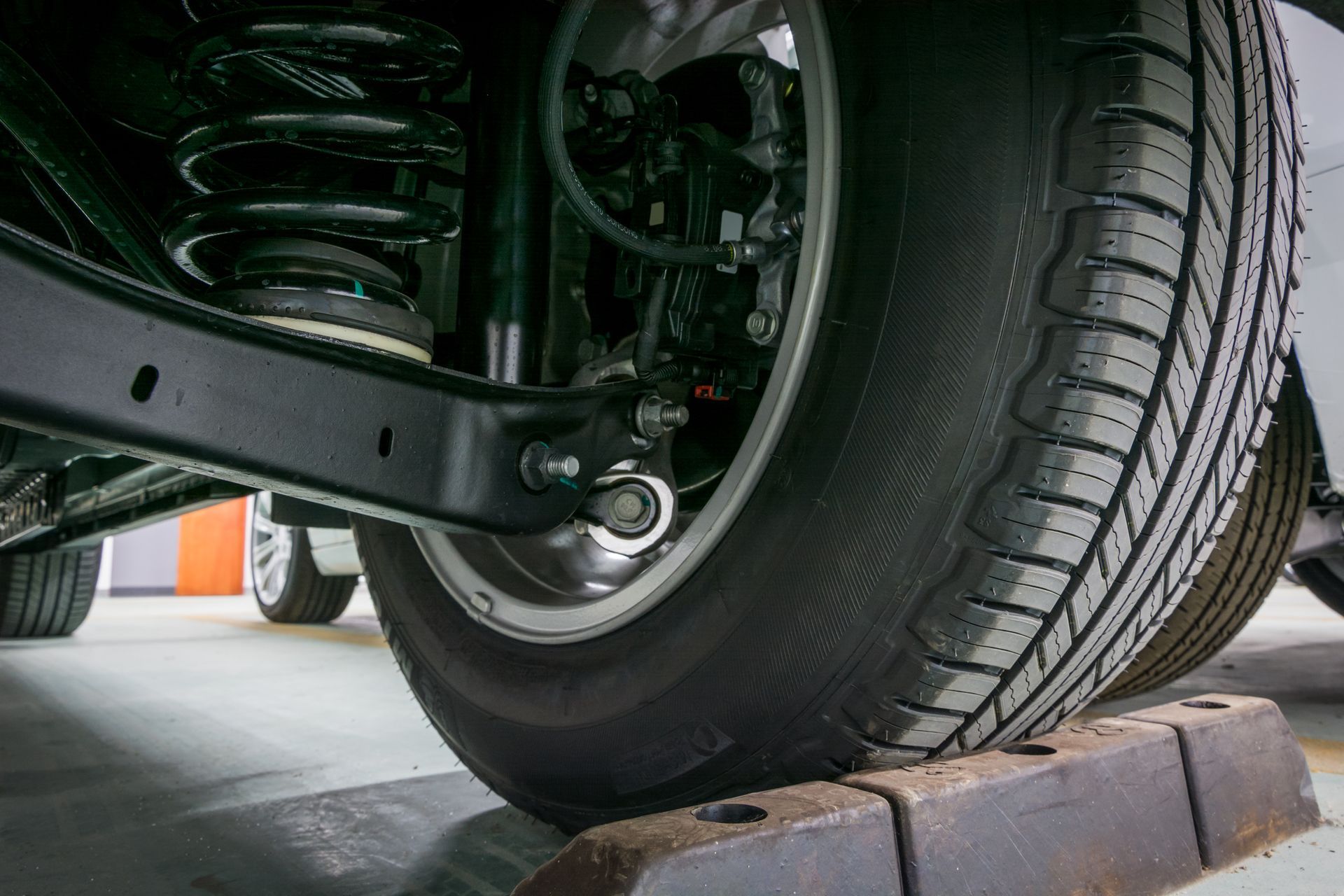
Fall is also a good time to inspect tread depth. Wet leaves, rain, and eventually snow or ice can make worn tires much less forgiving. Look across the entire tread instead of checking only one spot, since uneven wear may point to alignment or suspension issues.
Watch for cracks, bulges, punctures, and areas where one tire is wearing faster than the others. If you regularly drive in winter conditions, fall is also the right time to start thinking about whether your current tires are appropriate for the months ahead.
2. Have Your Brakes Inspected
Fall often brings wetter roads, earlier sunsets, and heavier traffic as school and work routines settle in. Reliable brakes become even more important when road conditions are less predictable.
Pay attention to squealing, grinding, vibration, pulling, or a pedal that feels different than usual. A soft pedal, hard pedal, or longer stopping distance should not be ignored.
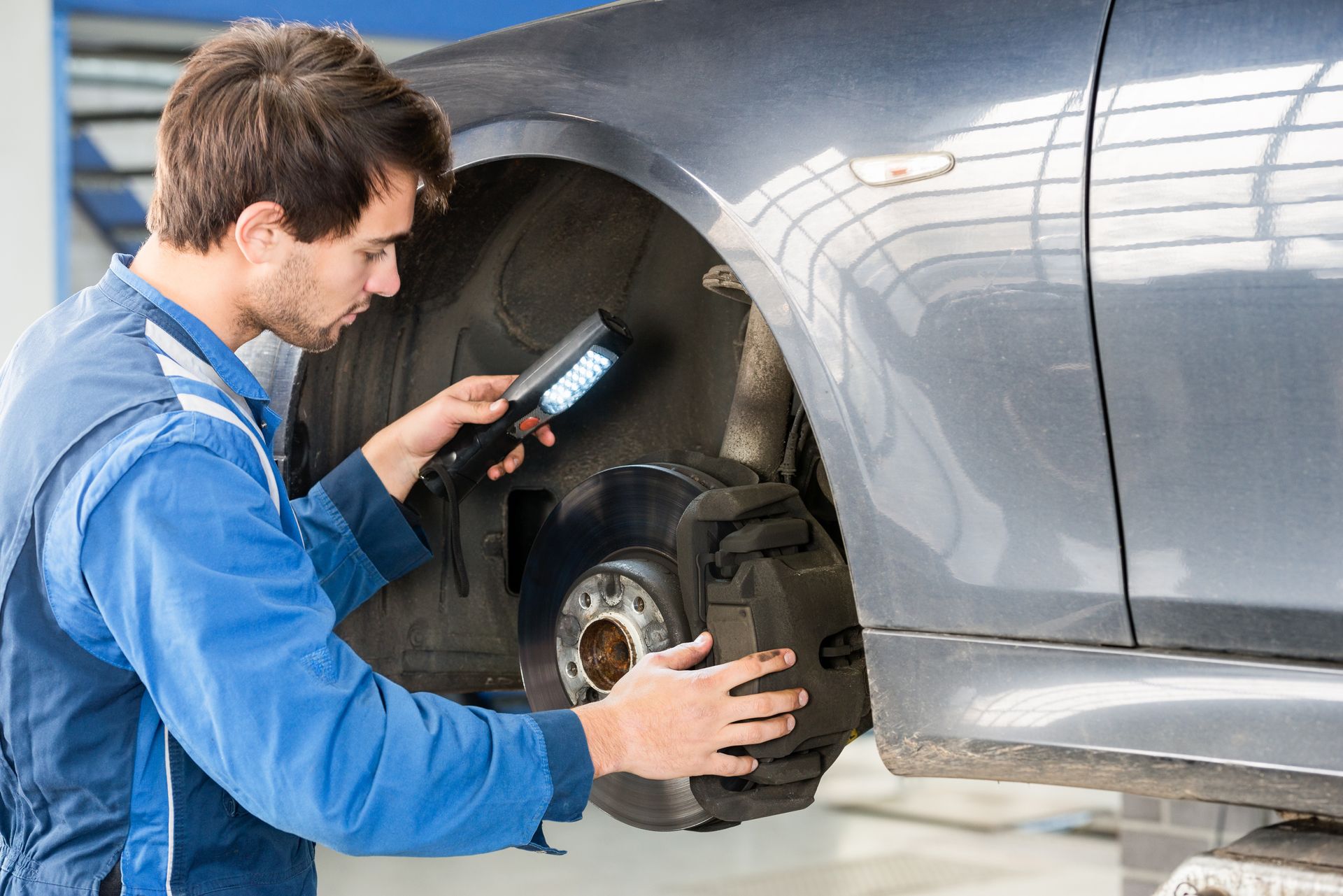
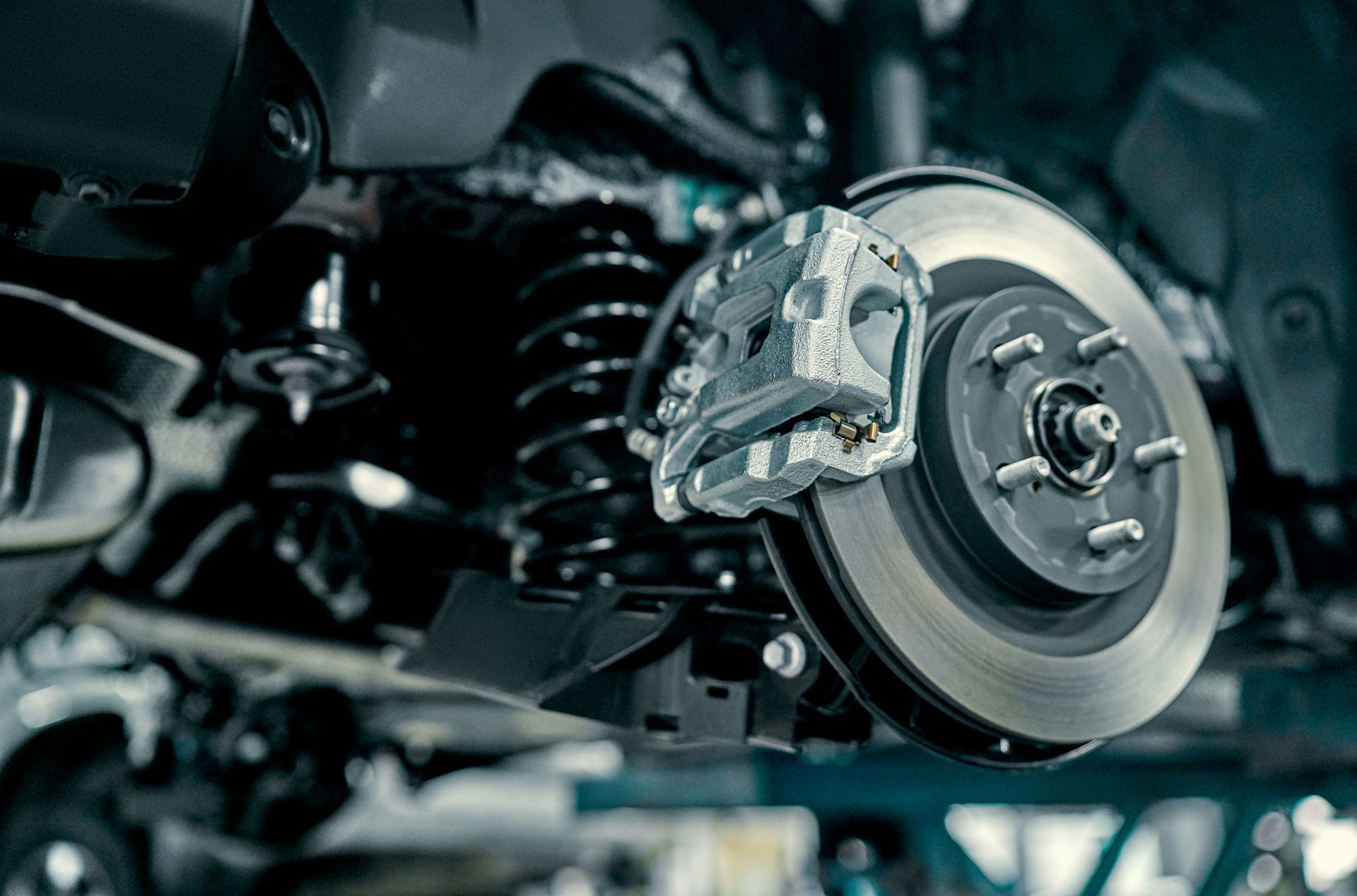
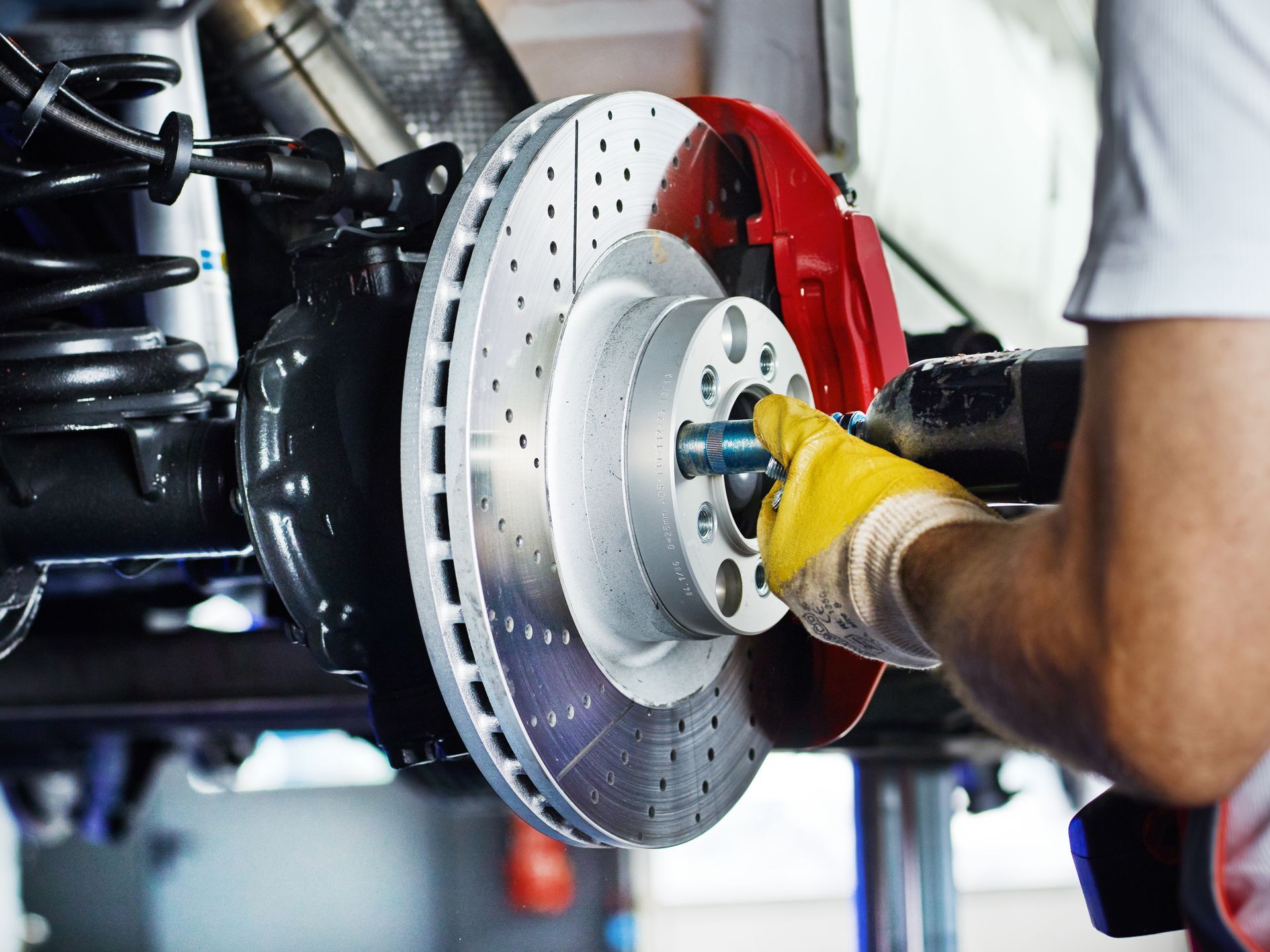
Brake wear can happen gradually, which means drivers often adjust without realizing how much performance has changed. A professional inspection can measure pad thickness, check rotor condition, inspect calipers, and look for fluid or hydraulic issues.
If the pads are getting low, handling them now is usually easier than waiting until grinding starts. Grinding can mean the friction material has worn away enough for metal to contact the rotor, which may turn a simpler repair into a more expensive one.
A fall brake check gives you a better idea of what is still in good shape and what may need attention before colder weather arrives.
3. Test The Battery And Charging System
Many drivers think battery problems are mostly a winter issue, but summer heat can do a lot of the damage first. High temperatures can speed up internal battery wear, while cooler fall weather begins exposing weakness.
If the engine starts more slowly than usual, the lights dim during startup, or electronics reset unexpectedly, the battery may be struggling.
A battery test can show how much starting power remains. It is also smart to inspect the terminals and cables for corrosion, looseness, or damage. The alternator matters too. A healthy battery will not stay charged if the charging system is not working properly.
At our shop, we would much rather test a weak battery in the fall than see someone discover the problem on the first freezing morning. Replacing a failing battery on your schedule is usually much easier than dealing with a no-start situation when you are already late.
4. Check Fluids And Look For Leaks
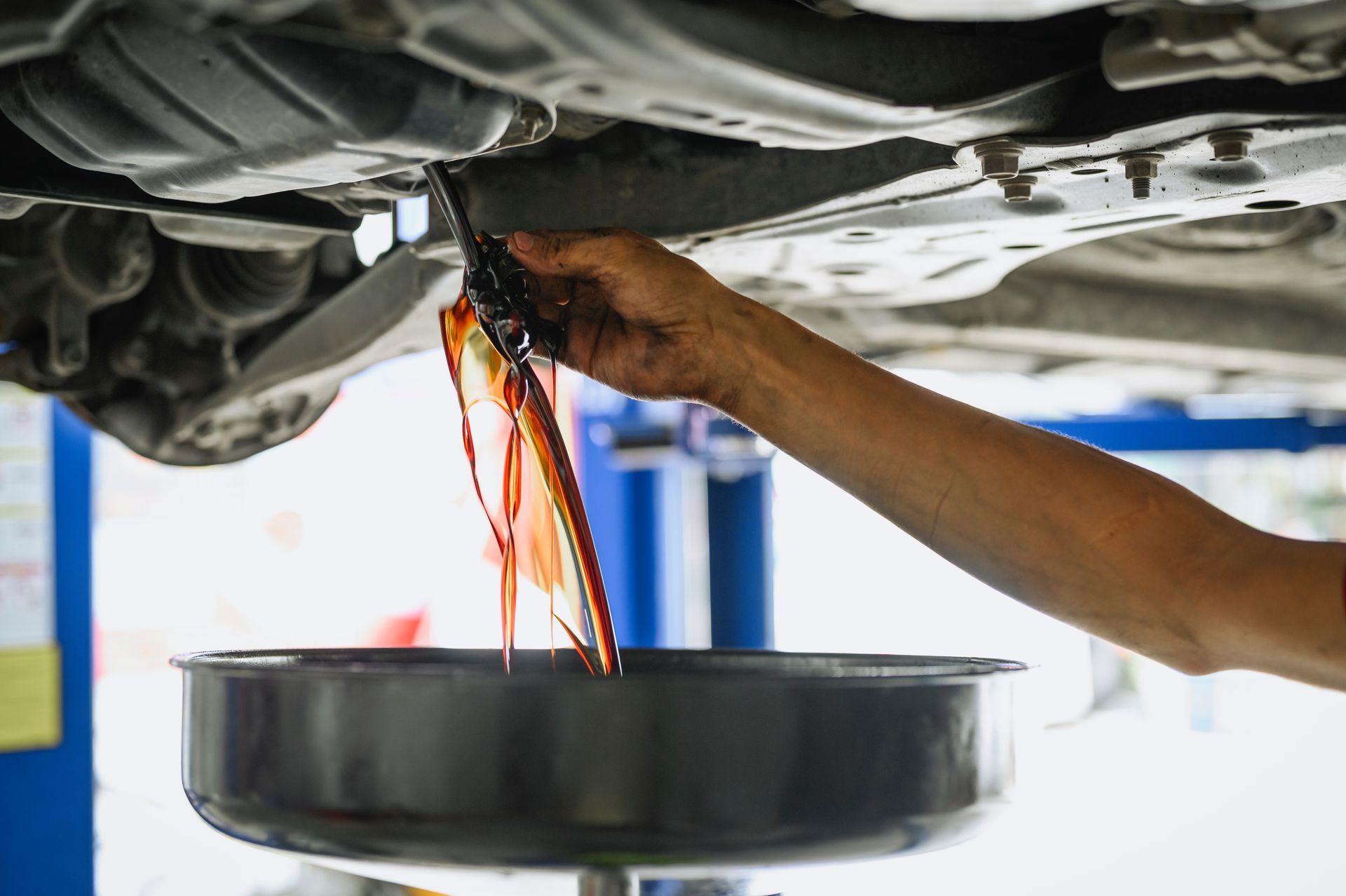
Fall is a good time to review the fluids that protect major systems throughout the vehicle. Start with engine oil and coolant, then consider transmission fluid, brake fluid, power steering fluid, differential fluid, and transfer case fluid depending on the vehicle. You do not need to replace every fluid every season. The goal is to check levels, condition, and maintenance intervals.
Coolant deserves extra attention because it needs to protect the engine in both hot and cold weather. Low coolant may point to a leak, while old or contaminated coolant may not provide the protection the system needs.
Look under the vehicle for fresh spots and pay attention to unusual smells. A sweet smell may point to coolant, while dark oily spots can suggest an engine or transmission leak. If a fluid is repeatedly low, simply topping it off is not enough. Finding the reason it is disappearing helps prevent a small leak from turning into a larger repair.
5. Make Sure Your Wipers, Lights, And Defrosters Work
Fall driving often means more rain, darker commutes, foggy mornings, and reduced visibility. A few simple systems suddenly become much more important. Start with the windshield wipers. If they streak, chatter, skip, or leave parts of the glass uncleared, replace them before the next heavy rain.
Check the washer fluid and make sure the spray nozzles work properly. A dirty windshield combined with low sun or oncoming headlights can make visibility much worse than drivers expect.
Next, check your headlights, taillights, brake lights, turn signals, and reverse lights. Shorter days mean you may be driving in darkness more often, and working lights help both you and other drivers.
Test the front and rear defrosters too. If the windshield takes too long to clear or the rear glass never fully defogs, it is better to address the issue before mornings become colder.
A Simple Fall Checklist Can Prevent Bigger Problems
If you want a quick way to remember the essentials, focus on these five areas:
- Tires and tire pressure
- Brakes
- Battery and charging system
- Fluids and leaks
- Wipers, lights, and defrosters
Those systems cover a lot of what changes as summer gives way to cooler weather. They also include many of the problems that can leave you stranded or make poor weather driving less safe.
Get Ahead Of Fall Maintenance Before Winter Arrives
Fall maintenance does not need to be complicated. A few well-timed checks can help you catch wear from summer, prepare for colder weather, and avoid the kind of repair that shows up at the worst possible time. If your vehicle is due for service or you want to make sure it is ready for fall, bring it to
Cruz-N-Carz at either of our two locations in Pearland, TX.
Call us today to schedule a fall maintenance inspection and head into cooler weather with more confidence.