Brake wear develops gradually, which makes it easy to miss. The vehicle may still stop, yet the pedal begins traveling farther, the steering wheel shakes slightly, or the brakes produce a faint squeal that comes and goes. Waiting for grinding can turn a basic pad replacement into a larger repair involving rotors, calipers, or other heat-damaged parts.
There is no single service interval that fits every vehicle. Brake life depends on driving habits, traffic, vehicle weight, road conditions, component quality, and the design of the braking system. Mileage is useful for planning checks, but the condition of the parts determines when service is actually needed.
How Often Should The Brakes Be Checked?
A practical approach is to have the brakes checked about every 6,000 to 12,000 miles, often during tire rotations or scheduled oil change visits. Some vehicles may need closer attention because they spend most of their time in heavy traffic, carry equipment, tow trailers, or make frequent short trips.
The owner’s manual may also provide model-specific recommendations. Drivers should not assume the brakes are fine simply because the vehicle has not reached a certain mileage. Pad wear can differ from one axle to the other, and a sticking component can wear one wheel much faster than the rest.
Why Brake Pad Mileage Varies So Widely
One driver may get more than 60,000 miles from a set of pads, while another may need service before 30,000 miles. Highway driving usually requires fewer stops than city travel, allowing pads to last longer. Frequent braking in congested traffic creates more friction and heat.
Driving style also affects wear. Hard stops, following other vehicles closely, and riding the brake pedal can shorten pad life. Hills, towing, larger wheels, and heavier vehicles place additional demand on the system. Hybrid and electric vehicles may use regenerative braking, which can extend friction pad life, although rust and sticking hardware can still develop from limited use.
Signs You Should Not Wait For The Next Check
Certain symptoms should lead to prompt service rather than waiting for the next regular maintenance visit.
- Consistent squealing or scraping
- Grinding during braking
- A soft or unusually low pedal
- Pulsation through the pedal
- Steering wheel vibration while stopping
- The vehicle pulling toward one side
- A burning odor near a wheel
- A brake or ABS warning light
- Longer stopping distance
- Heavy brake dust on one wheel
These signs can come from worn pads, uneven rotors, sticking calipers, hydraulic trouble, damaged hoses, or tire and suspension concerns. Grinding or a pedal that suddenly changes may indicate a more urgent problem. If braking performance feels reduced, limit driving and arrange professional testing.
What Technicians Check During Brake Service
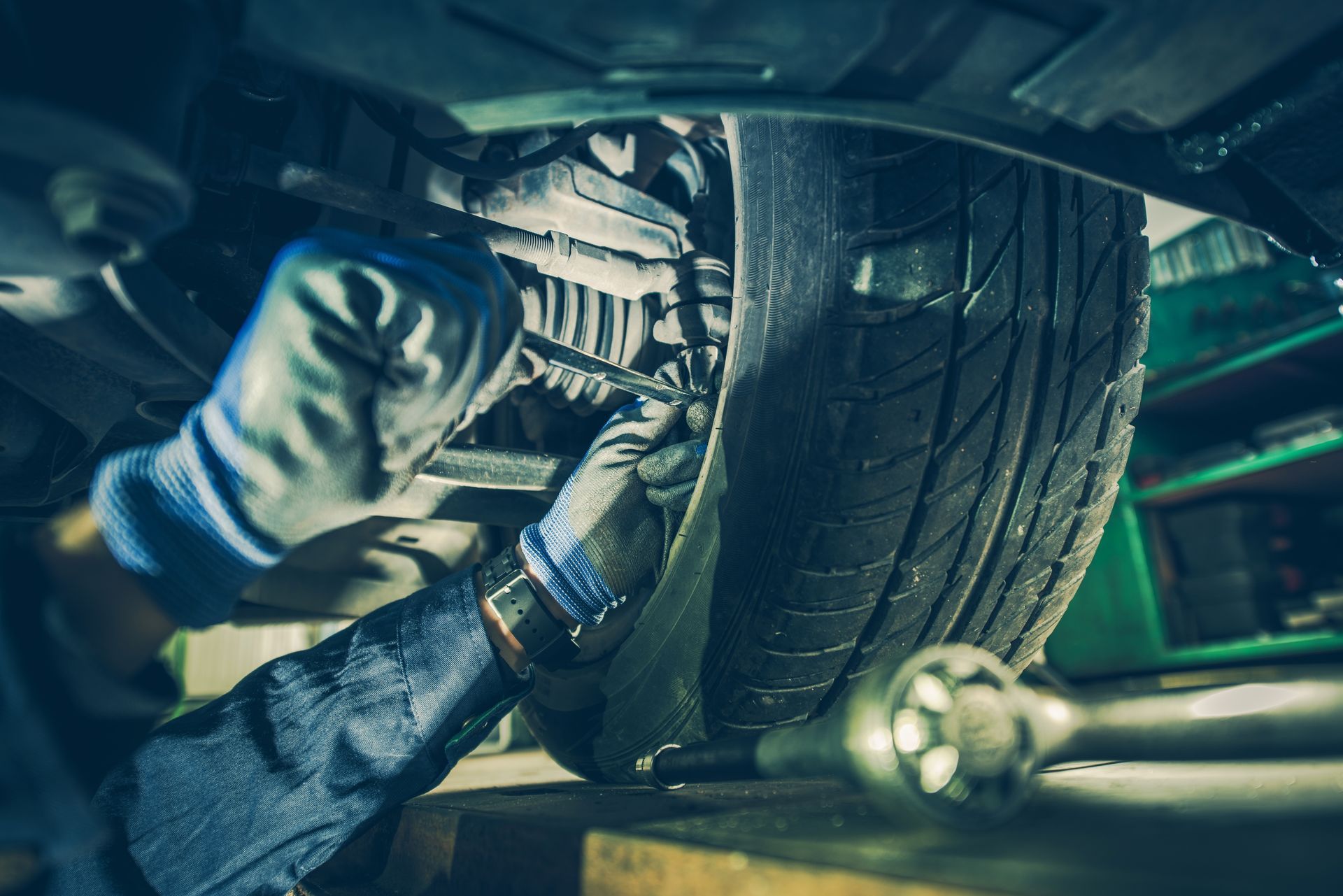
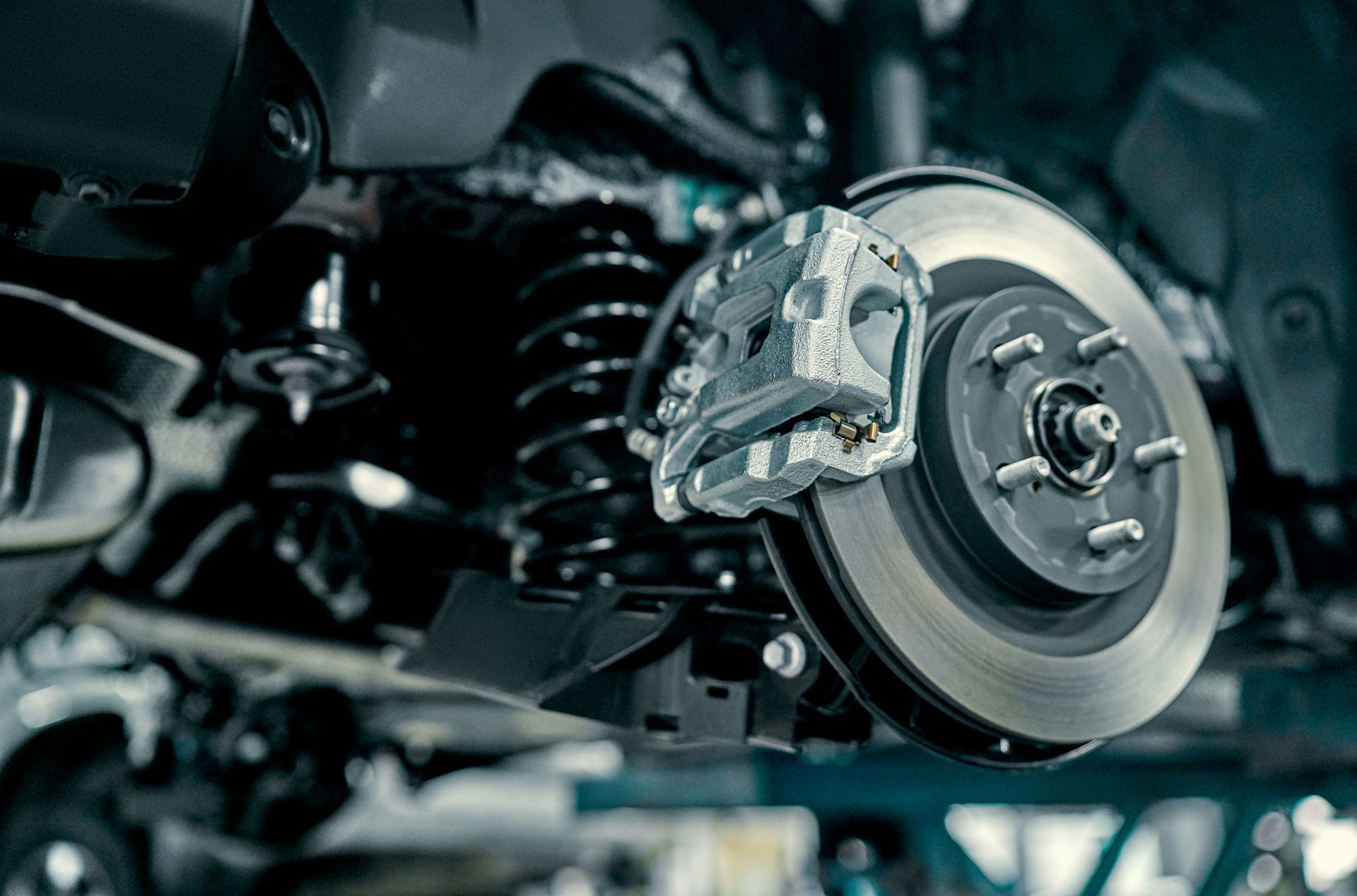
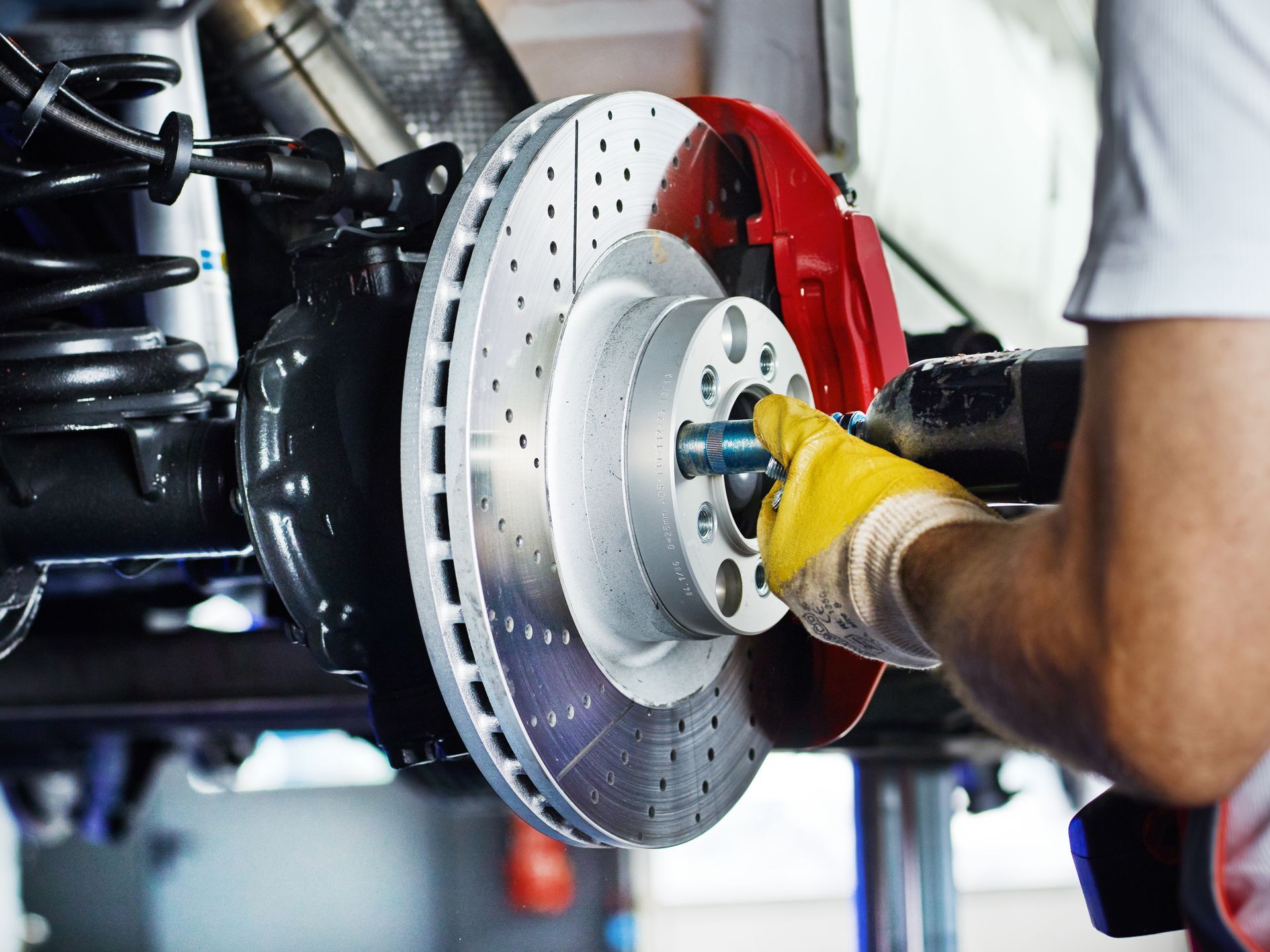
A proper brake evaluation involves more than looking at the outer pad through the wheel. The wheels may need to be removed so the technician can measure both the inner and outer pads. Uneven wear between them can reveal a frozen slide pin, sticking caliper piston, damaged hose, or hardware problem.
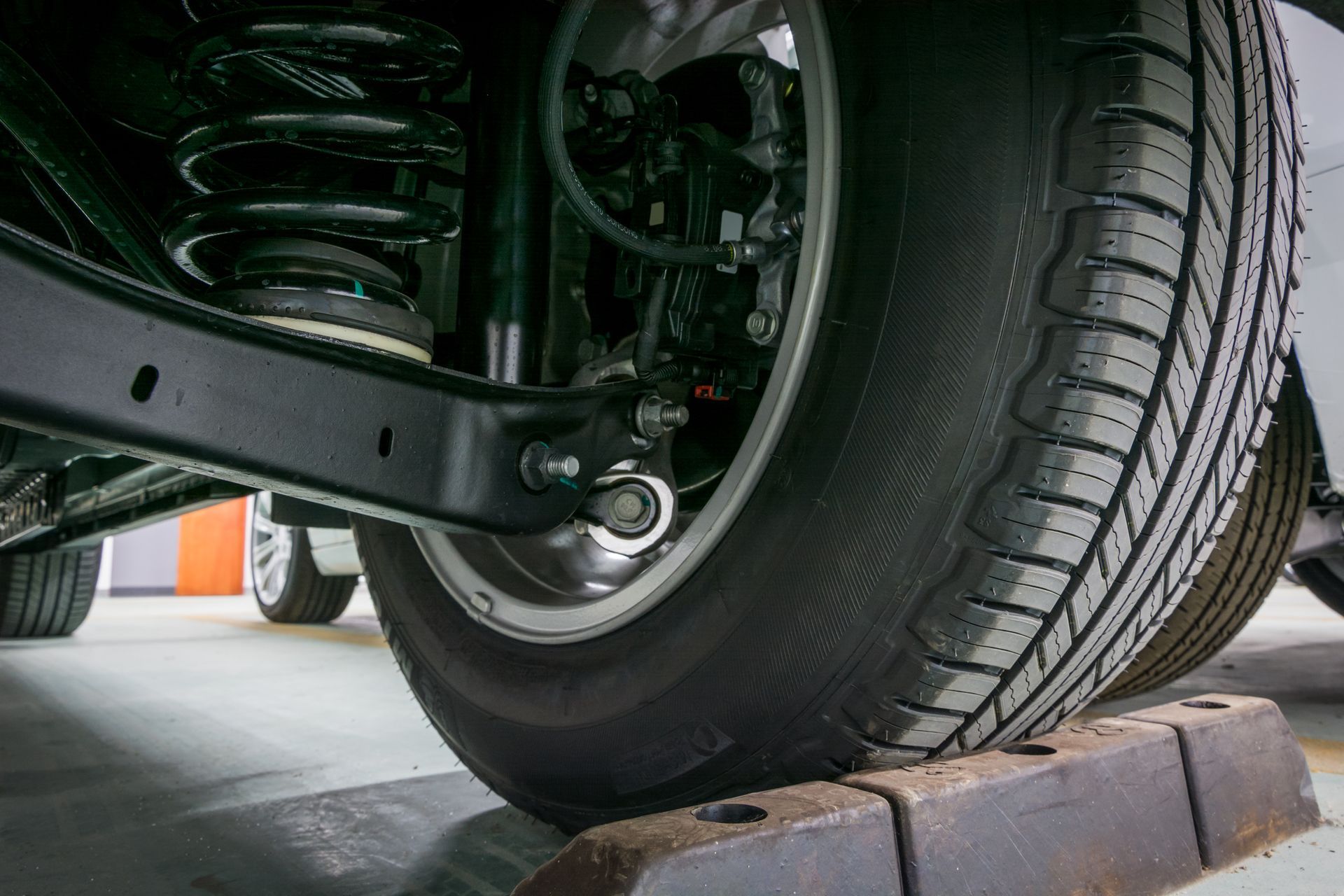
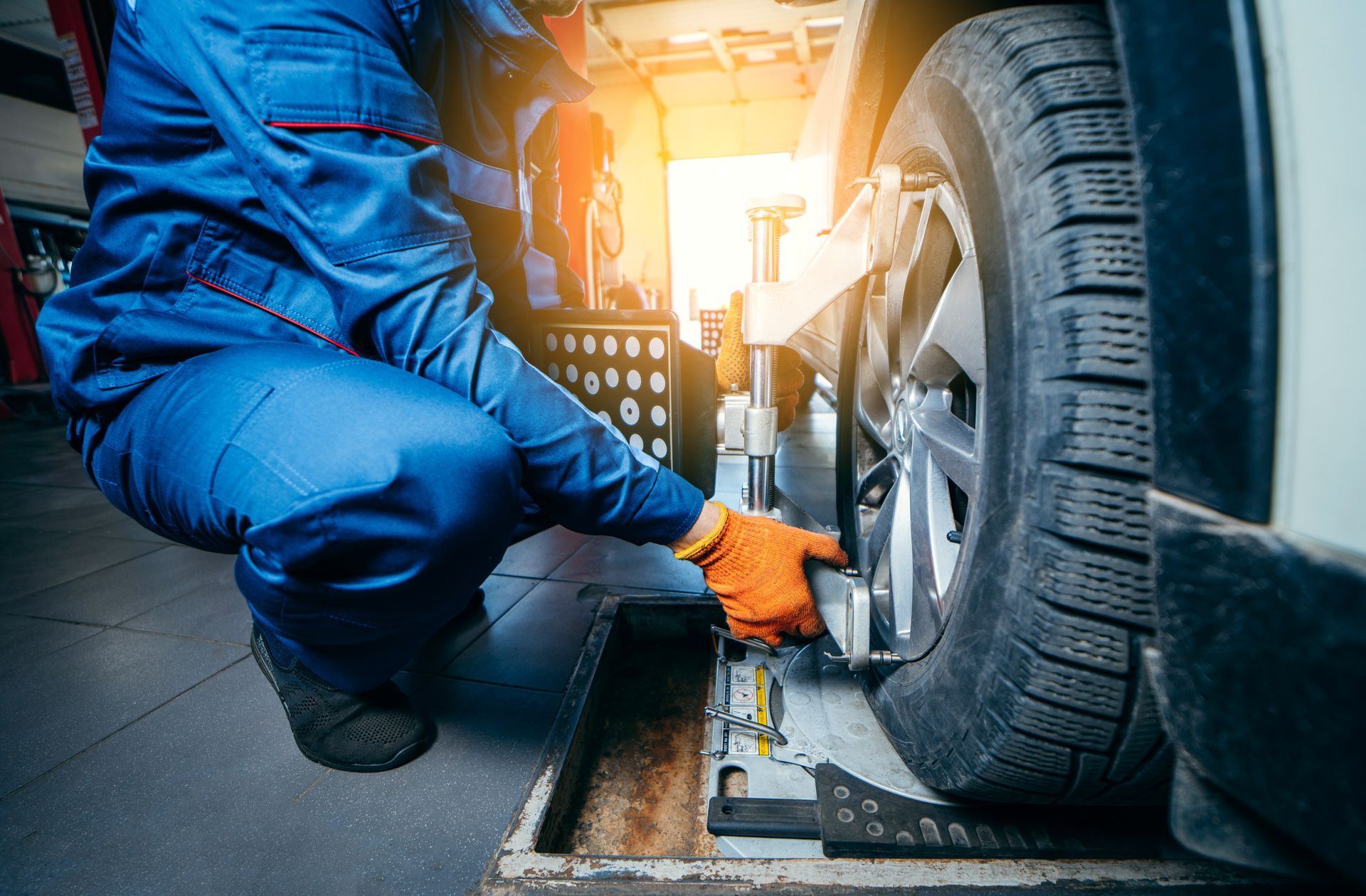
Rotor thickness and surface condition should also be measured. The technician may check caliper movement, brake fluid level, hoses, metal lines, parking brake operation, and visible hydraulic components. Tires, wheel bearings, and suspension parts may be reviewed when pulling or vibration is part of the complaint.
When Brake Pads And Rotors Need Service
Brake pads should be replaced before the friction material becomes dangerously thin. The exact minimum varies by vehicle and pad design, so measurements should be compared with service information rather than a universal number. Electronic sensors or metal wear indicators may provide a warning, but not every vehicle uses them.
Rotors do not automatically need replacement every time pads are installed. They may remain usable if they are thick enough, evenly worn, and free from severe scoring, cracking, rust damage, or heat spots. Rotors that are below specification or causing pulsation may require replacement. Installing new pads against damaged surfaces can create noise and shorten pad life.
Brake Fluid Has Its Own Service Schedule
Brake fluid transfers pressure from the pedal to the calipers and wheel cylinders. Over time, it absorbs moisture, which lowers its boiling point and can contribute to internal corrosion. The fluid may look acceptable in the reservoir even though moisture has entered the hydraulic system.
Many manufacturers recommend replacement based on time, commonly every two or three years, while others specify testing or a different interval. A fluid exchange cannot repair leaking parts or a failing master cylinder, but it can help protect the hydraulic system when completed at the proper time with the correct fluid specification.
Why Delaying Brake Service Can Cost More
Once a pad wears through its friction material, the metal backing plate can grind directly against the rotor.
The damaged rotor may become deeply scored or too thin to reuse. Continued driving also creates excessive heat that can affect caliper seals, wheel bearings, brake fluid, and nearby components.
Early service gives the shop more repair options. Pads may be the only parts needed if wear is found soon enough. Waiting until the vehicle pulls, grinds, or struggles to stop can increase the repair cost and reduce safety during an emergency stop.
Get Brake Inspection And Service At Two Pearland, TX, Locations With Cruz-N-Carz
Cruz-N-Carz serves drivers from two locations in Pearland, TX, with brake checks, pad and rotor service, fluid evaluation, and hydraulic system testing.
Contact the location most convenient for you to schedule service before brake wear affects stopping performance.