A new humming noise seems harmless until you realize it gets louder every time you take the same stretch of road. Tires are often blamed first, and sometimes they're responsible. A worn wheel bearing is another possibility. Because the bearing helps a wheel rotate while carrying the vehicle's weight, an advanced failure can become a safety concern. These five symptoms are worth describing before the sound gets buried under road noise.
1. A Humming or Growling Noise Increases With Road Speed
The classic complaint is a low hum that gets louder as you accelerate from city speed to highway speed. It may sound like distant road construction or a tire running over rough pavement. A wheel bearing has precision rolling surfaces inside a hub or bearing assembly. As those surfaces wear, they produce vibration and noise each time the wheel turns. Engine RPM usually has little influence on the sound.
Try to remember the first speed at which you hear it. Does it begin near 30 mph and grow noticeably above 50? That information helps a service professional decide what to evaluate on a road test. Aggressively swerving left and right to locate the noise is unsafe, so don't do that. In Pearland, steady highway drives often reveal a weak bearing sooner than slow neighborhood trips. Tire tread patterns also hum with speed, so a hands-on inspection is needed before choosing which assembly, if any, requires replacement.
A bearing hum can travel through the body and seem to come from the opposite side. It might even seem louder through the rear seat when the faulty bearing is at the front. That's one reason a passenger's guess about location is only a clue. The shop may compare different wheel positions, listen at the hub during approved checks, and rule out tires with similar tread noise. Once the cause is confirmed, bearing replacement should be followed by a check that the original sound is gone.
2. The Noise Changes During Ordinary Turns
Turning transfers load from one side of the vehicle to the other. A deteriorated bearing often sounds different as that load changes. A left turn may make a hum louder or quieter, then the pitch changes again when the road straightens. That pattern is valuable, but it doesn't reliably name the faulty side. Bearing construction, suspension geometry, and road surface all influence what you hear in the cabin.
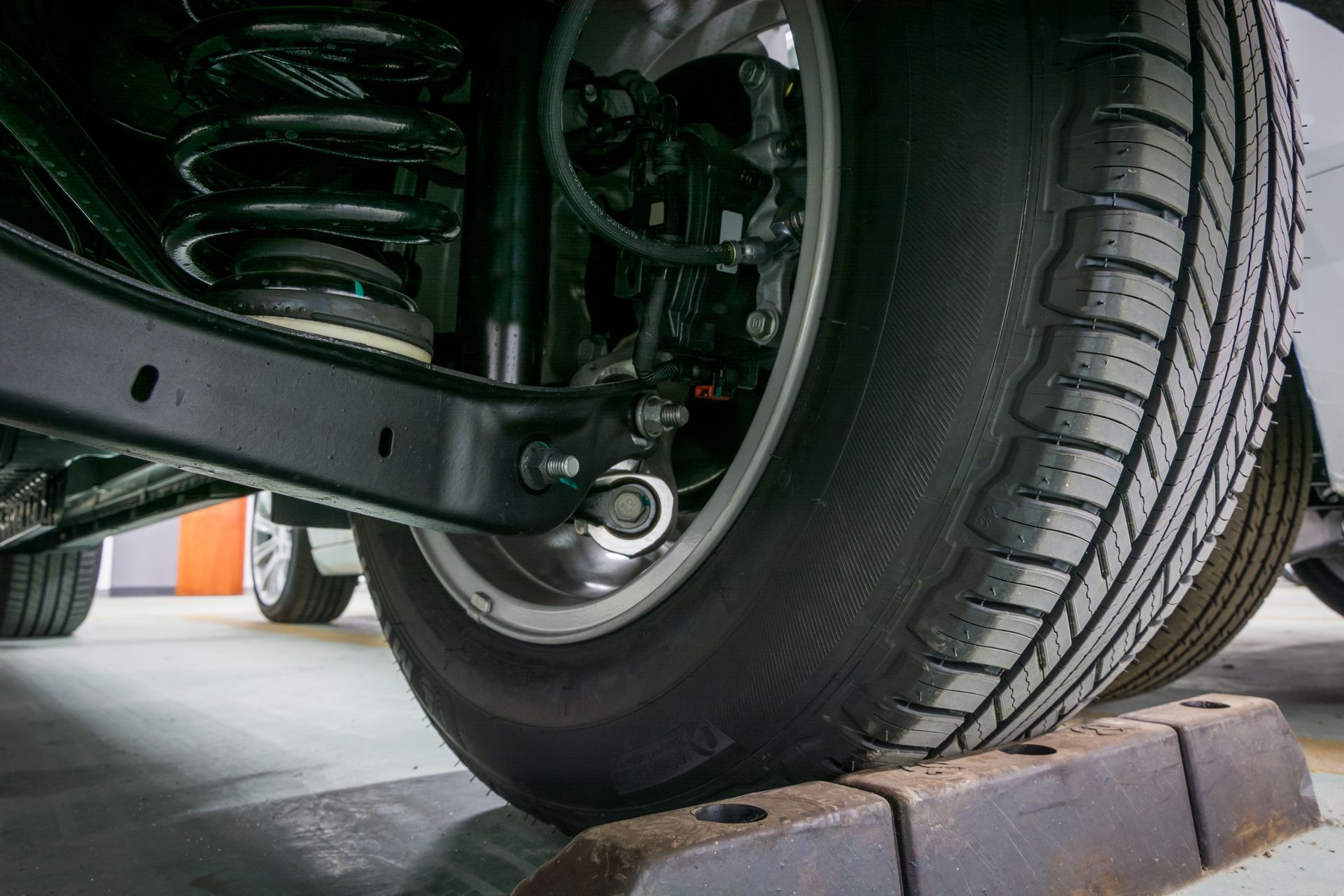
A cupped tire can imitate the same behavior. So can a brake component rubbing only when the wheel moves slightly in a turn. The sensible approach is to describe what happens during normal steering, without deliberately forcing sharp maneuvers. When we investigate the noise, tire wear, brake hardware, and bearing condition all enter the conversation. Fixing a tire problem won't repair a worn bearing, and replacing a hub won't silence aggressive tire tread noise.
3. You Feel Roughness or Play at a Wheel
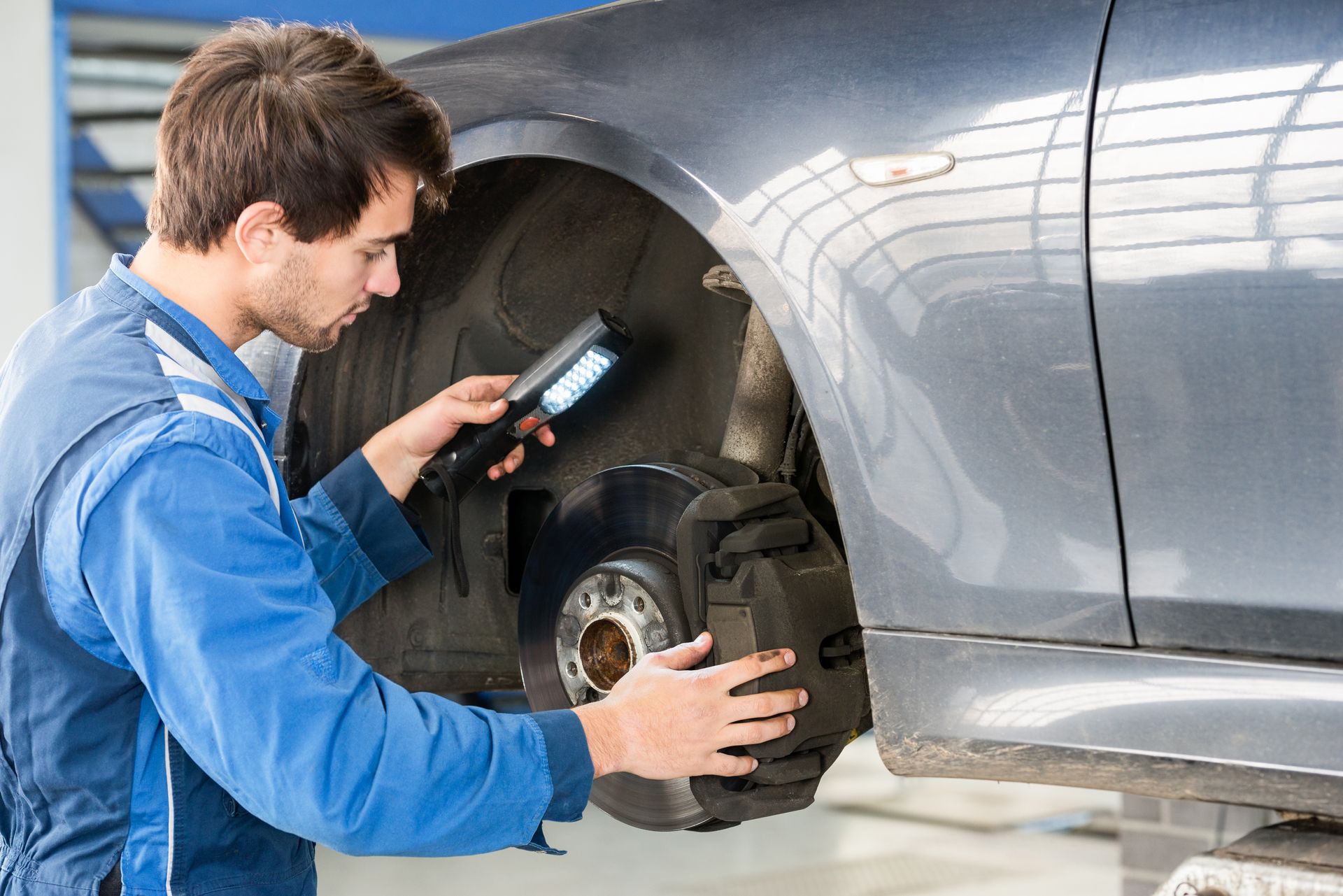
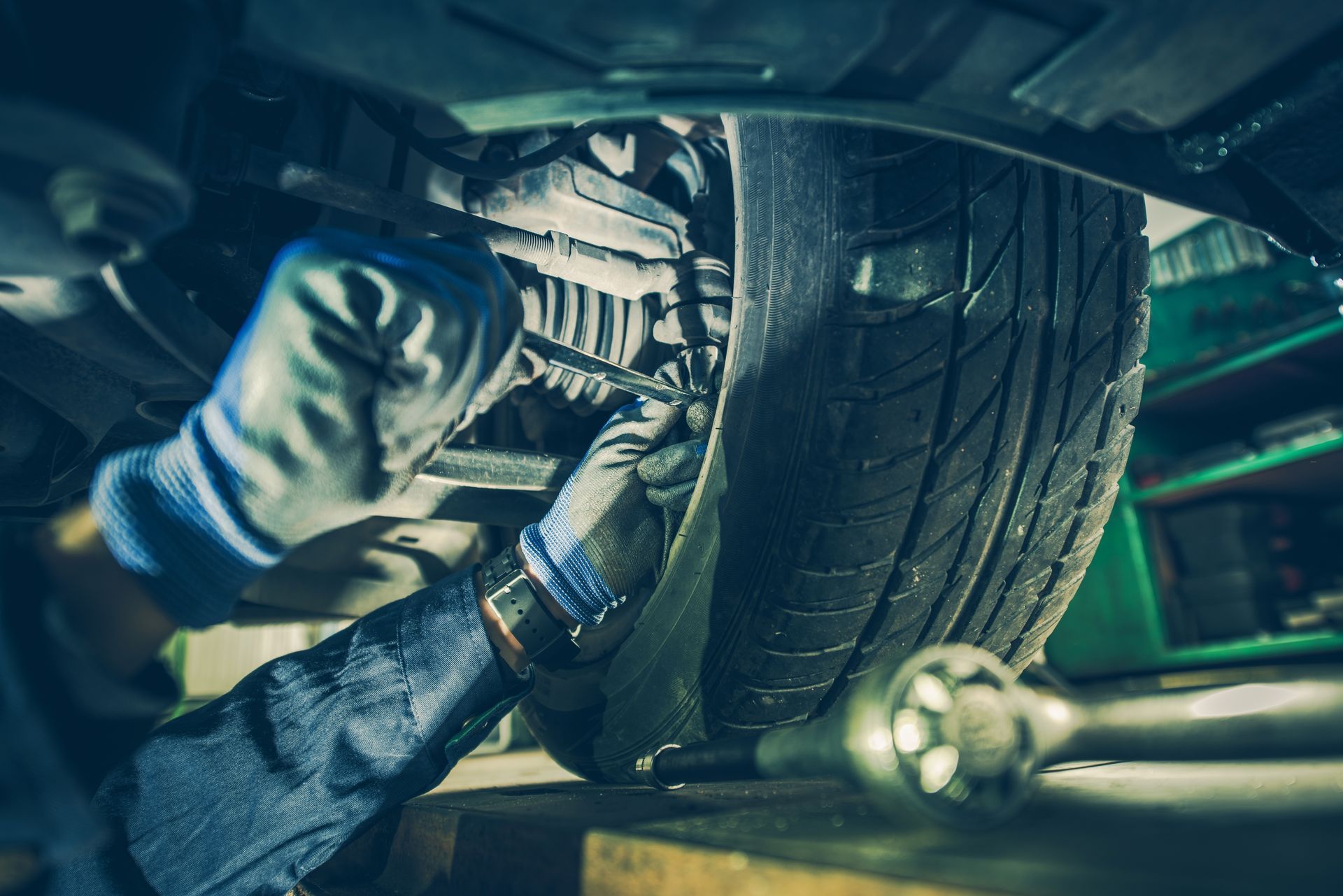
Some severely worn bearings develop looseness or roughness that can be felt during a properly supported vehicle inspection. The wheel may move more than it should, or the bearing may feel gritty as it rotates. Not every bad bearing shows measurable play. Many become noisy long before the wheel moves enough to be detected by hand, especially sealed hub assemblies with integrated bearings.
Loose wheel nuts, ball joints, and suspension wear create their own movement, so the source has to be identified carefully. Never crawl under a car supported only by a jack to try this test at home. If you have a wheel that looks visibly tilted, makes heavy grinding noises, or feels unstable while driving, stop using the vehicle. A wheel-end problem with that degree of movement needs prompt professional assistance, not an extended test drive.
4. ABS or Traction Control Warnings Appear
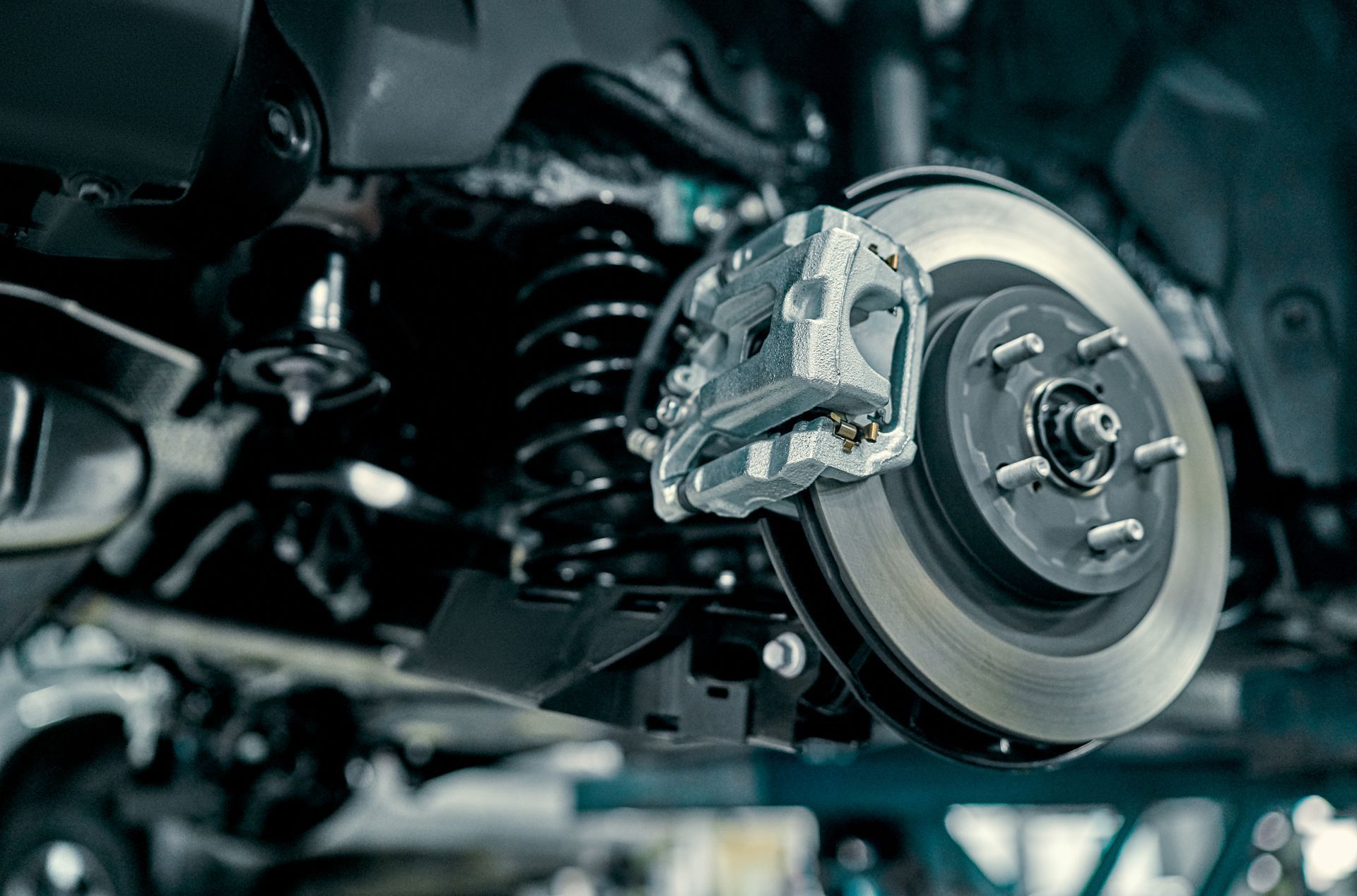
On many modern vehicles, wheel-speed sensing equipment sits close to or inside the wheel hub assembly. A damaged magnetic encoder, disturbed sensor, or failing connection sometimes causes an ABS or traction warning. In some cases, the bearing assembly and encoder are serviced together. That doesn't mean every wheel-bearing failure turns on a light, or that a warning identifies the hub automatically.
If the dashboard light arrived shortly after a wheel-bearing replacement, provide the repair date. A connector may have been disturbed, or an incorrect part might have been installed. We want wheel-speed readings from the ABS module, not just a generic engine-code scan. Tire sizes, wiring, and sensor condition also affect those readings. Scheduled maintenance of brakes and tires provides opportunities to catch wheel-end issues before warning lights or loud grinding appear.
5. The Sound Is Joined by Heat, Grinding, or Unstable Handling
A grinding wheel-end noise, unusual heat near one wheel, or suddenly wandering steering is more serious than a mild hum. But heat from a dragging brake can mimic bearing trouble, so don't assume the hot component is the bearing. Avoid touching the wheel or hub immediately after driving because these parts can burn you. If the car no longer steers or rolls normally, arrange towing.
For a quieter noise, book an inspection before a long highway trip. A wheel bearing generally isn't repaired with grease on modern sealed units. When replacement is required, the exact hub or bearing design determines the parts and installation procedure, including fastener torque and any calibration checks. With two Pearland locations listed for Cruz-N-Carz, confirm which location you'll visit and describe the noise when booking. Good records help compare what changed after the repair, especially if tire noise was present as well.
Wheel bearings are not normally given a fixed replacement mileage. Some survive well past 150,000 miles, while others fail sooner following water intrusion, impact damage, or incorrect installation. If you recently struck a curb, mention it, even if the tire held air afterward. The incident can influence which wheel-end components get inspected first. For a small hum, scheduling soon is sensible. For unstable steering or grinding, don't keep testing your luck on the highway.
Get Wheel Bearing Inspection in Pearland, TX, With Cruz-N-Carz
Cruz-N-Carz
has two locations in Pearland, TX, where drivers can discuss wheel-end noise and handling changes. We'll help sort out the symptoms that call for a wheel-bearing inspection.
Call
Cruz-N-Carz
or schedule a wheel-bearing appointment online.